Add Row
Add Element
Media Authority Group Blog
update
update
Add Element
  • Home
  • Categories
    • Media Channel Strategy
    • Authority Marketing
    • Content Creation & Distribution
    • Client Success Stories
    • Industry Insights
    • Influence & Branding
    • Lead Generation Through Media
    • Tech & Tools for Media Owners
  • All Posts
  • Media Channel Strategy
  • Authority Marketing
  • Content Creation & Distribution
  • Client Success Stories
  • Industry Insights
  • Influence & Branding
  • Lead Generation Through Media
  • Tech & Tools for Media Owners
August 11.2025
1 Minute Read

Traditional vs Digital Media: Which Wins in 2025?

Did you know? In 2025, an astonishing 80% of people under 40 consume their news online, while over 60% of those over 55 still rely on TV and print. The battle of traditional vs digital media isn't just alive—it's evolving faster than ever. Whether you're a marketer, business leader, or everyday consumer, understanding this ongoing shift is critical to making informed choices in a fragmented media landscape.

What You’ll Learn: This article reveals why the debate between traditional and digital media in 2025 remains relevant, outlines key features of both, compares their strengths, reveals marketing strategies, considers the rise of social media, and provides expert insights—all to help you make the smartest media choices for your goals.

Why ‘Traditional vs Digital Media’ Is Still the Big Question in 2025

The divide between traditional vs digital media is a defining factor for businesses, consumers, and media outlets in 2025. People want to know: Is digital media now the clear winner, or does traditional media still hold unique advantages? It isn’t black and white. From local news delivered by trusted TV anchors to viral social media platforms shaping young minds, every type of media fulfills different user needs. Most importantly, the real question is not just which one is better, but how they overlap and where each shines for reaching target audiences. If you’re a PR professional, marketer, or business owner, your products and services don’t exist in a vacuum—and neither do your audiences. That’s why understanding this distinction remains at the forefront of any effective marketing strategy.

For example, a major sporting event may generate real-time buzz on Twitter and Instagram, but millions will still tune into live TV broadcasts or catch up via radio recaps. Meanwhile, brands aiming for credibility may prefer trusted print magazines, while startups needing quick viral reach target digital platforms. Understanding the coexistence and competition of traditional and digital media will help you adapt to the shifting tides and reach your audience where they’re most engaged.

The Shift: A Startling Statistic about Traditional and Digital Media Consumption

Every year, the gap between those consuming traditional and digital media broadens. According to a 2025 consumer study, daily digital media consumption has surpassed traditional media by more than 35% among all demographics under 45. At the same time, for people over 60, traditional formats like TV news and local newspapers still command double the daily attention spent on digital sources.

This duality means that, despite the irreversible shift towards smartphones, social media, and on-demand streaming, there is still a large, loyal segment consuming traditional media daily. Many businesses find that only a hybrid approach ensures complete coverage: a digital marketing campaign backed by a television commercial or a print ad complemented by an Instagram push.

The ongoing changes in audience preferences and media platforms mean that both forms of media remain essential. Media marketers and PR professionals continue to strategically balance both to maximize reach, engagement, and ROI.
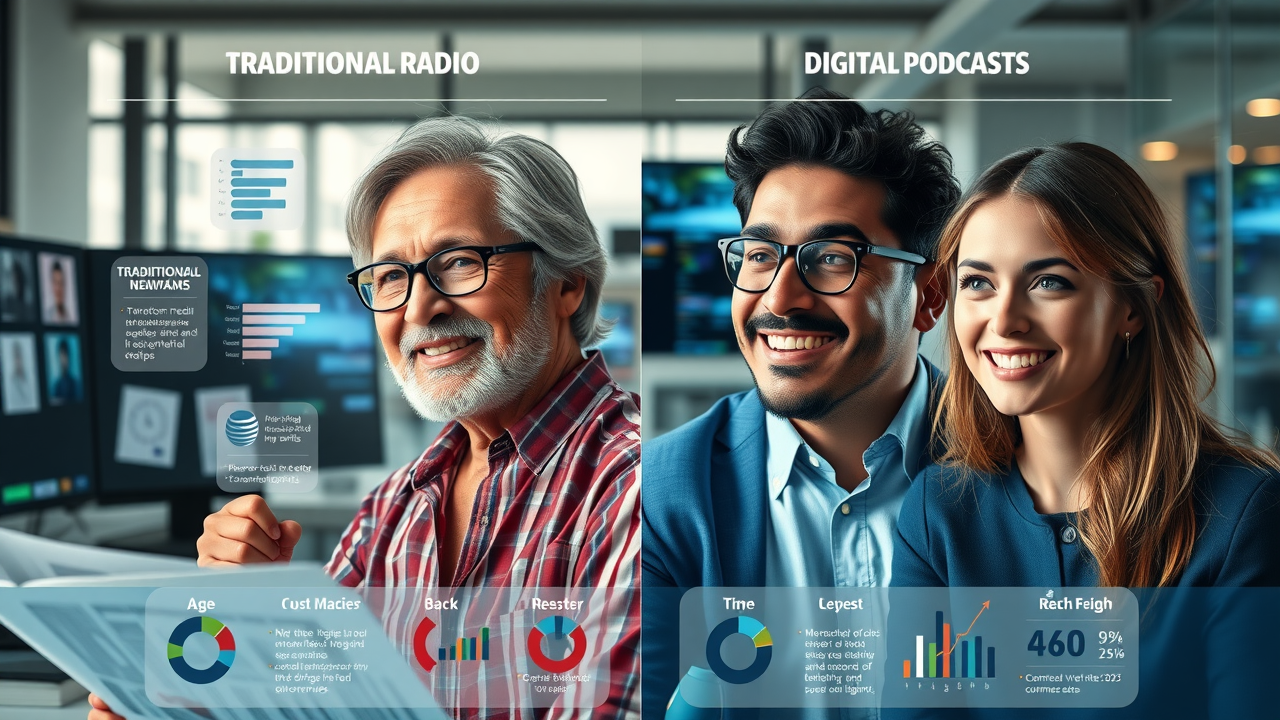
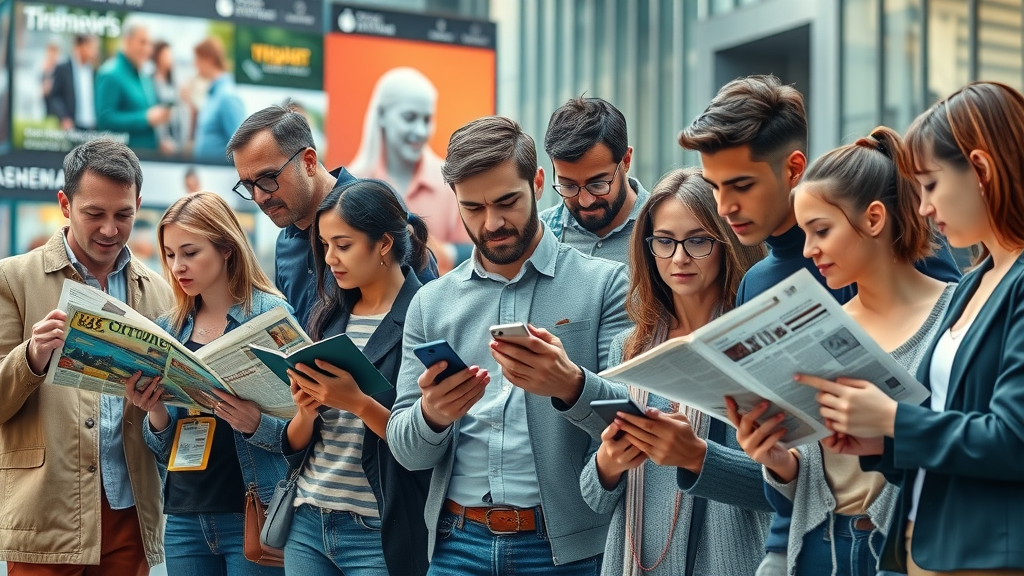
Vivid infographic comparing traditional media channels and digital media platforms used by various age groups in 2025. traditional vs digital media

What You’ll Gain from Understanding Traditional vs Digital Media Today

Grasping the key differences and similarities between traditional and digital media is vital, whether you’re a small business owner, a media professional, or just an informed consumer. In 2025, media landscapes shift rapidly, and knowing where—and how—your intended message will have the greatest impact is priceless.

You’ll learn which media channels best suit your marketing goals, gain confidence in choosing the right media outlet, and understand how to tailor your messaging for various target audiences. This knowledge empowers you to maximize your media marketing efforts and avoid expensive trial-and-error campaigns.

Armed with insights from real-world marketing campaigns, expert advice, and up-to-date statistics, you’ll be prepared to make strategic decisions—whether that means leveraging the prestige of print or the viral power of digital media platforms. Ultimately, understanding this divide is your key asset for success in a complex media environment.

Defining the Stakes: What Is Traditional Media in 2025?

In 2025, traditional media refers to longstanding media formats that have shaped global communication for decades. These include print (newspapers and magazines), broadcast TV, radio, direct mail, outdoor advertising (like billboards), and the once-ubiquitous telephone. Despite waves of digital transformation, these media still play a vital role, especially for reaching older generations and for lending authority to products and services.

Traditional media offers unique trustworthiness and proven reach, especially for brand-building and local news. Media outlets in this space still command large advertising budgets from brands seeking demographic stability and established credibility. Whether you’re a PR professional aiming for broad appeal or a company seeking trusted coverage, traditional media remains relevant in the ever-evolving media landscape.

Key Channels in Traditional Media: Print, TV, Radio, and More

Traditional media includes more than just newspapers and TV news. In 2025, it encompasses magazines, radio broadcasts, cable and network television, direct mail campaigns, telephone outreach, and classic outdoor signage. These channels remain critical for certain sectors, such as politics, healthcare, and community news—fields where depth, trust, and regulatory compliance are paramount.

Their primary characteristics include one-way communication , limited segmentation, and a focus on reaching large audiences efficiently. For example, a local business may use radio to reach commuters, place ads in city magazines for a specific zip code, or target retirees with printed newsletters—each a type of media that’s proven and trusted in its niche.

Despite the surge in digital market competition, many consumers associate traditional media with legitimacy and reliability. Institutions and established brands still turn to these outlets for trustworthy coverage and broad awareness campaigns.

  • Print: Newspapers, magazines, trade journals

  • Television: National and local broadcast channels, cable news, TV news programs

  • Radio: AM/FM talk, news, and music stations

  • Outdoor: Billboards, transit ads, posters

  • Telephone: Telemarketing, automated calls

  • Direct Mail: Flyers, catalogs, postcards

How Digital Media Has Eclipsed and Evolved Since 2020

The landscape of digital media has changed dramatically since 2020. Driven by the explosion of internet connection speeds, the proliferation of smart devices, and the rise of streaming and social media platforms, digital media now dominates the attention of global audiences. In 2025, examples of digital media extend far beyond websites and email; they encompass immersive video streaming, real-time social engagement, influencer marketing, and podcasts—media formats that are interactive, measurable, and easily targeted.

What sets digital media apart is its interactivity and precision targeting. Brands can tailor messages for specific demographics, track real-time engagement, and reposition campaigns instantly. With consumers accustomed to on-demand access and personalized feeds, digital media platforms have become the primary means for building communities, sparking viral trends, and collecting invaluable audience feedback.

Exploring the Diversity of Digital Media Platforms

Today’s digital media platforms come in countless forms—each designed to connect, entertain, or inform. From social media giants like Facebook, Instagram, TikTok, and Twitter, to streaming services such as Netflix and YouTube, to the ever-expanding world of podcasts and niche communities, the digital sphere is more diverse and dynamic than ever.

Unlike traditional media, which relies heavily on a one-way broadcast, digital channels thrive on two-way interactions. Personalized feeds, direct messaging, comments, and community-building tools put users in control. This shift means that brands must now develop sophisticated digital marketing strategies, leveraging real-time analytics, influencer partnerships, and content tailored to segmented target audiences for maximum effect.

Moreover, the convergence of virtual and augmented reality is ushering in new ways for audiences to experience media, making digital channels not just informative, but immersive and interactive. This is revolutionizing how people consume information, connect with brands, and participate in the public sphere.

  • Social Media Platforms: Instagram, Facebook, TikTok, Twitter, LinkedIn

  • Streaming Services: YouTube, Netflix, Spotify, Hulu

  • Podcasts and Audio Platforms: Apple Podcasts, Spotify, Clubhouse

  • Websites/Blogs: News media outlets, content marketing sites

  • VR/AR Experiences: Interactive events, AI-driven news delivery
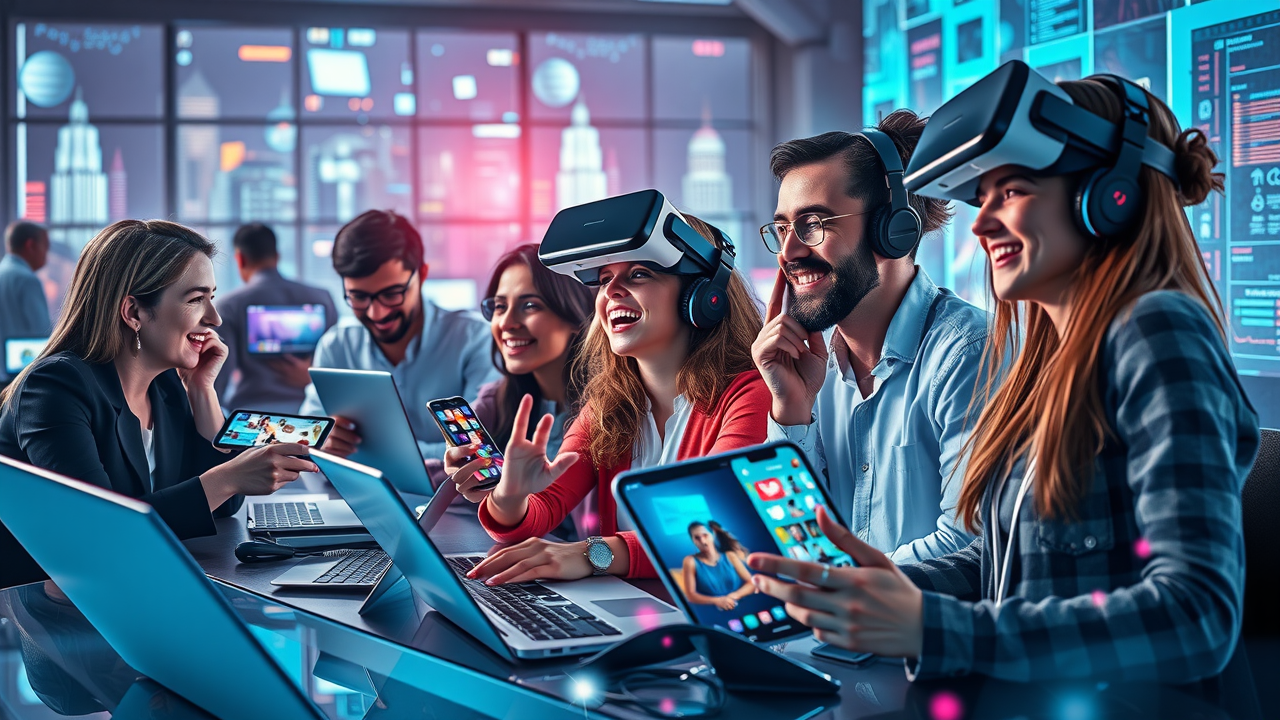
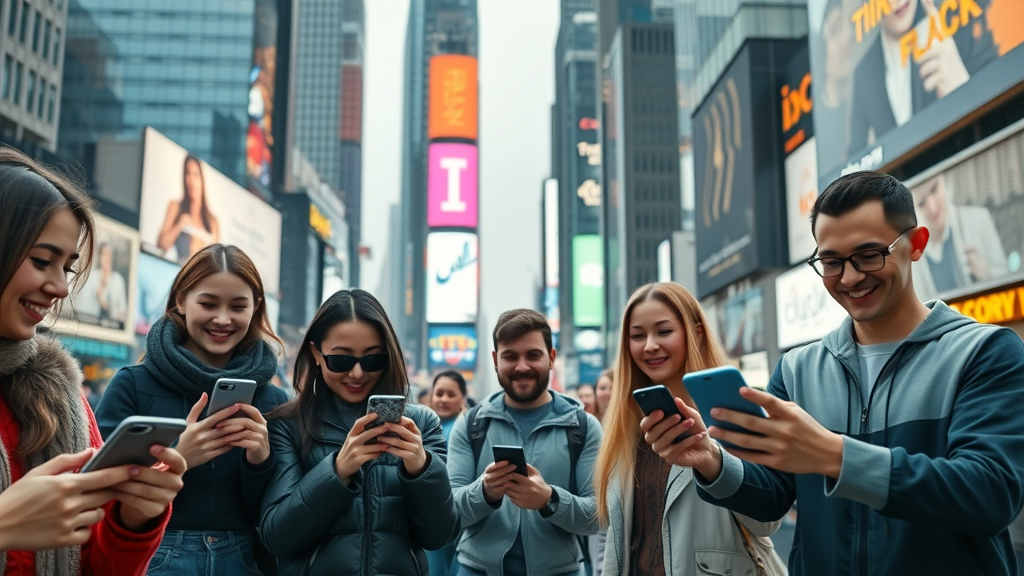
Dynamic collage of digital devices showing media content for digital media platforms in 2025. traditional vs digital media

Traditional and Digital Media: Key Similarities, Differences, and Overlaps

Both forms of media aim to inform, persuade, and entertain their audiences—yet they do so using fundamentally different techniques. The overlap between traditional and digital media is growing as established outlets launch digital arms (think: TV news streaming apps or digital subscriptions for newspapers), while digital-only brands occasionally partner with print or radio for credibility.

The primary difference is interactivity. Traditional media typically broadcasts one-way messages to large audiences with little immediate feedback, whereas digital media leverages instant interaction and data-driven targeting. However, their paths now cross more than ever, with hybrid campaigns blending the trust of TV with the reach of social media, or newspapers boosting stories online and through podcasts.

Ultimately, understanding the nuances and overlaps between traditional and digital media enables you to create a multifaceted media marketing plan that takes advantage of each channel’s strengths, maximizes cost efficiency, and builds greater trust with diverse target audiences.

Table: Comparing Traditional vs Digital Media Features in 2025

Feature

Traditional Media

Digital Media

Reach

Broad, mass audiences (local news, national TV)

Highly targeted, global reach (social media, niche platforms)

Cost

High (TV ads, print placements)

Variable; low barrier to entry (social campaigns, PPC ads)

Interactivity

Limited; one-way communication

High; two-way conversations, real-time feedback

Targeting

Limited segmentation (demographics, geography)

Precise user targeting (behavioral, psychographic)

Speed

Slower; production and distribution timelines

Instant content deployment and edits

Balanced split-screen of a businessperson reading a newspaper and another using a digital tablet for traditional vs digital media comparison

Media Marketing in the Era of Traditional and Digital Media

In a world where both traditional and digital media matter, successful marketing strategies blend credibility with agility. A robust campaign might launch a new product with a prime-time TV spot (for broad credibility) and follow up with influencer-led Instagram stories and TikTok challenges to spark virality and interaction.

Brands must weigh their objectives, budget, and audience before deciding which media formats suit them best. While digital campaigns are often cost-effective and data-rich, traditional platforms lend prestige and trust—especially for sectors like finance, health, or luxury products. The savviest media marketers craft campaigns that deliver both reach and ROI, evaluating type of media based on the end goal.

Modern marketers also recognize that many consumers traverse both worlds. Someone might hear about a new movie via radio ads and then purchase tickets through an online platform, highlighting the need for an integrated media marketing approach.

Marketing Strategies: When to Use Traditional or Digital

The key to choosing the right media channel often comes down to audience intent and marketing objective. Traditional media shines when you need to build widespread credibility (such as launching a national campaign or targeting older customers familiar with TV and print). Digital platforms excel for rapid experimentation, measurable ROI, and capturing the attention of younger, online-native audiences.

Remember: Smart campaigns leverage the strengths of each. For example, a television commercial can create broad awareness, while a highly targeted Facebook ad campaign hones in on people most likely to convert. Data-backed digital efforts complement the trustworthiness of traditional journalism, creating a powerful one-two punch for media marketing in 2025.

  • Traditional Media Campaigns: Best for brand prestige, regulatory industries, and building trust

  • Digital Media Campaigns: Ideal for rapid scaling, testing concepts, and engagement with younger or global audiences

  • Integrated Approaches: Combine TV/radio with trending hashtags, influencer partnerships, or real-time social engagement

Addressing Social Media’s Influence within Traditional vs Digital Media

Perhaps no change in the media landscape is more pronounced than the rise of social media platforms. While social media began as a purely digital phenomenon, in 2025 it’s become a connective bridge—integrating both traditional and digital media.

Media outlets now use Twitter and Instagram to tease breaking news before it airs on TV, while digital natives reference television clips on TikTok and Reddit. Social media has created a feedback loop where stories evolve, amplify, and sometimes even disrupt both traditional and digital narratives. Whether you’re a PR professional managing a crisis or a brand launching a campaign, ignoring the explosive influence of social media is simply not an option.

The Explosive Growth of Social Media in Digital Media

Social media’s expansion is breathtaking: In 2025, over five billion people log on daily, making platforms such as TikTok, Twitter, and Instagram vital media channels in their own right. These platforms aren’t just places to chat—they are now primary sources for news, opinion, and entertainment, outpacing even established TV news and local newspapers.

The unique value of social media lies in its ability to unite the reach of traditional media with the engagement and granularity of digital. Stories go viral in minutes, real-time feedback shapes narratives, and brand reputations can rise or fall overnight. For marketers and media professionals, mastering social media is now inseparable from mastering the modern media landscape.

"Social media is not just a channel; it’s the connective tissue uniting traditional media and digital media in the modern media ecosystem."
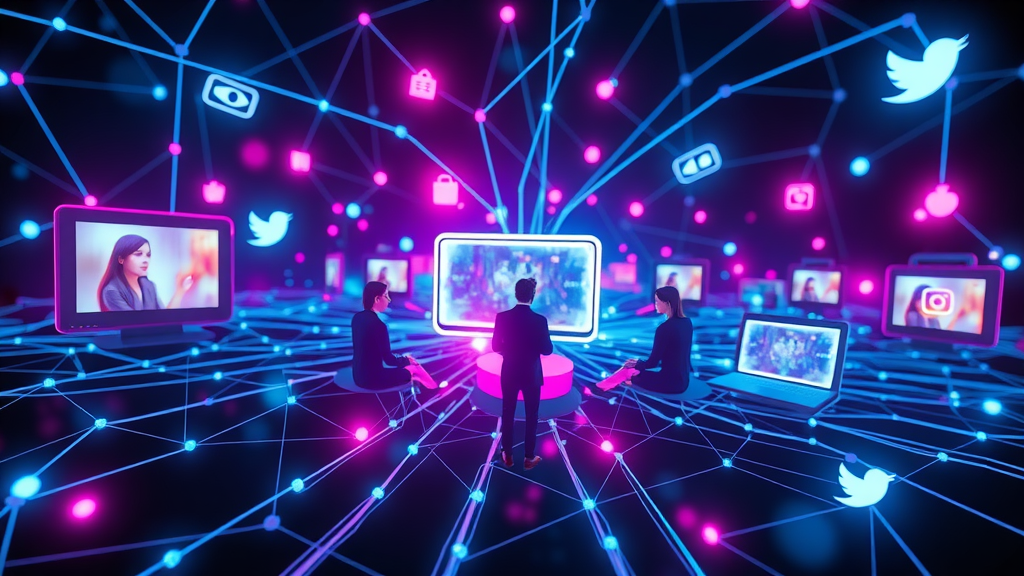
Digital web connecting traditional media elements and social media icons demonstrating their overlap in the media landscape

Cost, Reach, Trust: The Metrics that Matter in Traditional vs Digital Media

Selecting the best media format means weighing cost, reach, and trust —the three pillars of successful media marketing. Digital channels offer granular targeting, dynamic pricing, and instant feedback; traditional channels provide wide coverage and deep-rooted credibility. Understanding these metrics allows marketers to get the most for their budget while reaching target audiences efficiently.

While digital platforms are revolutionizing how and where messages travel, many legacy brands still invest in TV or print to build perception, especially when trust is paramount. In turn, digital metrics provide the agility needed to quickly pivot, track results, and maximize return on investment—a win for agile, data-driven campaigns.

List: Critical Advantages & Disadvantages of Traditional and Digital Media

  1. Traditional Media Advantages: Trust, mass reach, established standards, evocative experience (TV/radio)

  2. Traditional Media Disadvantages: High cost, slow adaptation, limited targeting, hard to measure ROI

  3. Digital Media Advantages: Low cost, precise targeting, two-way interaction, real-time analytics, broad accessibility

  4. Digital Media Disadvantages: Trust issues (fake news, privacy), ad fatigue, rapidly shifting algorithms

Case Studies: How Leading Brands Choose Between Traditional and Digital Media

In 2025, the world’s top brands often deploy a mix of traditional and digital media to achieve the best results. For instance, car manufacturers still air Super Bowl TV ads (for mass awareness), but follow up with geo-targeted mobile ads and sponsored influencer content to drive dealer visits and social media engagement.

Meanwhile, global apparel brands might launch exclusive products with influencer-led TikTok challenges, driving immediate sales and engagement online—then solidify brand status with full-page print spreads or subway ads in major cities. This blend demonstrates how recognizing the strengths of each media format can yield tremendous marketing success.

The savviest marketing campaigns thrive at the intersection of credibility and engagement , carefully tracking analytics to evolve over time.

Real-World Media Marketing Campaigns in 2025

Consider the 2025 launch of a new eco-friendly beverage: The company ran TV commercials to build trust with an older audience, simultaneously launching interactive TikTok campaigns and partnering with wellness influencers. Their integrated strategy netted both broad awareness and viral digital engagement, proving once again that traditional and digital media, when fused, are more powerful together.

In another example, a financial services brand sponsored a televised debate on economic trends, then drove viewers to their mobile app with QR codes and interactive polls promoted on social media. By blending established media outlet gravitas with forward-thinking digital marketing, they reached diverse demographic segments in a single, coordinated push.

Marketing team strategizing with both print and digital campaign elements, representing effective media marketing in 2025

What is the main advantage of digital media over traditional media?

The main advantage of digital media is its enhanced ability to target, measure, and engage audiences. Unlike traditional media—a TV news spot, for example—digital channels like Facebook or Google Ads let marketers specialize messages, track user responses instantly, and tweak ads in real time based on performance data.

Digital platforms also encourage two-way conversations, allowing for direct engagement, feedback loops, and viral sharing. This makes digital media the preferred choice for brands aiming for rapid growth, cost-effectiveness, and personalized interaction in today’s dynamic media landscape.

Digital Media’s Predominance: Enhanced Targeting, Measurement, and Engagement

Sophisticated analytics and user data put digital media ahead for many marketing campaigns. Brands can drill down to individual behaviors and preferences, ensuring their media marketing efforts reach relevant target audiences with messages that convert. This flexibility offers a decisive edge over traditional, broad-cast approaches, boosting both efficiency and ROI.

That said, the best strategies recognize when to use digital’s strengths and when to rely on the time-tested trust of traditional media platforms.

What is one key difference between traditional and new media?

The key difference is the level of interactivity. Traditional media (such as newspapers or TV news) broadcasts information to passive audiences, which can only respond through delayed channels like letters or phone calls. New (digital) media, on the other hand, thrives on real-time feedback, sharing, and two-way engagement.

This shift has transformed expectations—today’s consumers want to participate, comment, and even shape the narrative rather than just absorb it.

Digital Interactivity vs Traditional One-Way Messaging

While traditional and digital media may report the same story, digital media platforms enable immediate user responses—likes, shares, retweets, live comments—making every piece of content a two-way street. This fundamentally changes how brands and individuals connect, influence opinion, and drive action.

Such media formats encourage greater transparency, community-building, and real-time crisis management, advantages that are impossible to achieve with broadcast-only models.
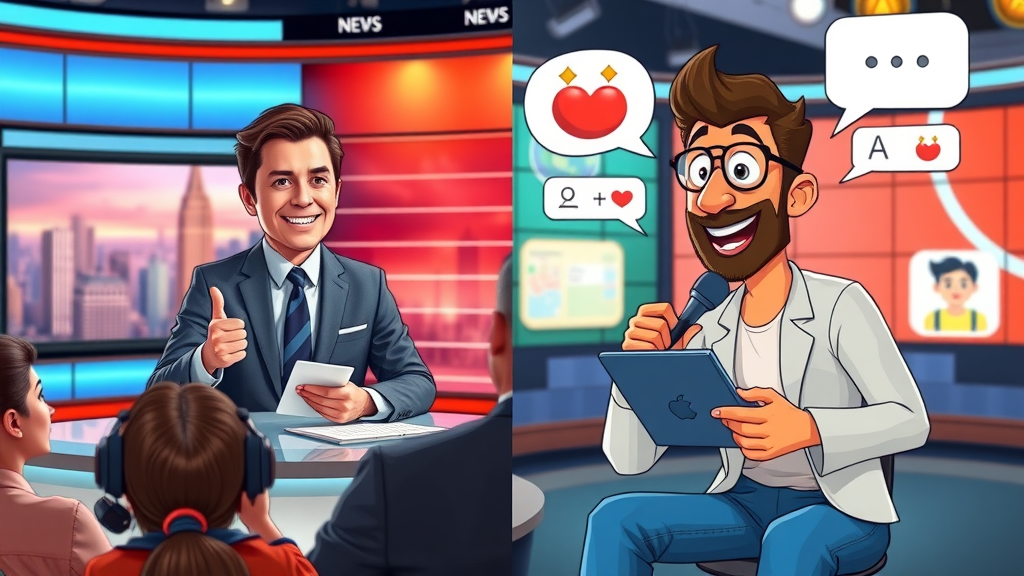
Side-by-side depiction of traditional broadcast and interactive digital live stream for traditional vs digital media comparison

What are the 6 traditional media?

The six traditional media channels most often referenced in 2025 are: Print, Radio, TV, Telephone, Outdoor (billboards, transit), and Direct Mail. Each of these formats offers unique benefits, such as the high visibility of billboards or the trust of local radio—and each remains strong in select industries and markets.

A Comprehensive List: Print, Radio, TV, Telephone, Outdoor, and Direct Mail

  • Print Media: Newspapers, magazines, trade publications

  • Radio: AM/FM news, talk, and music stations

  • TV: Network, cable, and local TV news programs

  • Telephone: Telemarketing, surveys, customer outreach

  • Outdoor Media: Billboards, posters, transit ads

  • Direct Mail: Postcards, catalogs, flyers to households

What is the difference between traditional and digital media channels in advertising?

Traditional media advertising is typically about reaching broad audiences with limited personalization or feedback, such as a television commercial that airs to millions. Digital media, by contrast, allows for precise targeting, instant measurement, and real-time adaptation of ads.

This gives digital channels an unmatched flexibility to test, optimize, and customize messages for particular segments, ensuring higher effectiveness and often much lower cost per engagement.

Advertising Reach, Targeting, and Measurability: Traditional vs Digital Media Channels

Traditional advertising favors mass messages and long planning cycles; while digital marketing is agile, responsive, and backed by a wealth of analytics. Companies seeking to maximize budget and engagement must carefully select media platforms according to their goals, constraints, and audience profiles.

A modern marketing strategy might combine billboard awareness with highly targeted TikTok ads for the best of both worlds.

The Future of Traditional vs Digital Media: Are We Headed for Integration or Dominance?

Looking into 2025 and beyond, most experts agree: The future of the media landscape lies in integration , not outright dominance. Brands that can merge the credibility of traditional journalism with the speed, analytics, and engagement of digital media will thrive as user habits continue to shift.

Innovative campaigns, seamless omnichannel experiences, and fluid movement between physical and digital spaces are already defining the leading strategies of tomorrow.

Expert Opinions and Key Trends in Traditional and Digital Media

Media professionals anticipate further blurring of the old lines. Trusted media outlets are launching podcasts, local news goes mobile, and brands use print to boost online virality. The rise of immersive technologies—VR and AR—combined with evolving data privacy regulations, are reshaping how marketers approach both traditional and digital platforms.

Experts predict that brands who blend authenticity, adaptability, and analytics will stand out, using every available type of media to optimize engagement and build community.

"The success of future media marketing lies in a brand’s ability to merge the credibility of traditional media with the agility of digital media."

Frequently Asked Questions on Traditional vs Digital Media

  • Q: Is traditional media still relevant in 2025?
    A: Absolutely. Traditional media platforms like TV news, radio, and print remain vital for certain demographics and for building trust—especially in finance, healthcare, and local news sectors.

  • Q: Can digital media replace traditional media entirely?
    A: Not entirely—many brands use a hybrid approach to maximize their reach and impact, leveraging the trust of traditional outlets with the engagement of digital platforms.

  • Q: What is the main disadvantage of digital media?
    A: While digital media is fast and measurable, it faces challenges around information trust (fake news), ad fatigue, and privacy concerns.

  • Q: Do all age groups prefer digital media?
    A: No. While younger audiences lean heavily digital, older consumers often trust traditional media formats more. Effective marketing requires multi-channel strategies.

Expert Panel: Traditional Media vs Digital Media Debate for 2025

Watch a top-tier panel of media professionals debate the most pressing issues in traditional vs digital media : integration, audience trust, data privacy, and what marketers must do to stay ahead.

Summing Up the Winners: Traditional vs Digital Media in 2025

Key Takeaways: Making the Best Media Choice for Your Needs in 2025

In 2025, it’s not traditional versus digital—it’s both: Select your channel based on your audience, your goals, and your brand’s unique strengths. The savviest brands combine the best of both worlds in an integrated, responsive media marketing strategy.

Ready to future-proof your reach? Strategize your campaigns with a blend of traditional credibility and digital agility to engage audiences wherever they are—and win in 2025’s media landscape.

In 2025, the media landscape continues to evolve, with digital platforms increasingly dominating over traditional media channels. For instance, in the UK, online platforms such as Facebook, YouTube, and TikTok have surpassed television as the primary sources of news, with 71% of adults obtaining news online compared to 70% via TV. ( ft.com ) This shift is even more pronounced among younger audiences, where over 80% of individuals aged 16-24 rely on social media for news consumption.

Similarly, in the United States, digital video advertising has overtaken traditional TV ad spending. In 2024, digital video, encompassing streaming services like Netflix, social platforms such as TikTok, and free ad-supported TV like Pluto TV, accounted for $62.9 billion of U.S. ad spending, representing 52% of the total projected video ad expenditure. ( reuters.com ) This trend underscores the growing preference for digital media among advertisers aiming to reach targeted audiences more effectively.

The rise of platforms like TikTok and Instagram has also transformed content consumption patterns. Short-form videos now dominate, leading to a decline in traditional news consumption. This evolution favors influencers and content creators over traditional journalists, resulting in a media landscape that is more fragmented and open to controversial content. ( ft.com )

Despite the rapid growth of digital media, traditional channels still hold value, particularly for reaching certain demographics and lending credibility to brands. However, the ability of digital media to offer precise targeting, real-time engagement, and cost-effective solutions makes it an increasingly attractive option for marketers and consumers alike.

Understanding the strengths and limitations of both traditional and digital media is crucial for developing effective marketing strategies in today’s dynamic environment.

Ready to improve your brand with an owned media channel?
Visit MediaAuthorityGroup.com/blueprint or call 843‑997‑1127 and let’s build your content engine.

Media Channel Strategy

61 Views

0 Comments

Write A Comment

*
*
Related Posts All Posts
08.18.2025

Media Channel Examples That Will Transform Your Marketing

Did you know that brands using diverse media channels experience up to 300% greater audience engagement than those relying on just one marketing channel? This eye-opening statistic highlights the undeniable value of using a wide range of media channel examples in modern marketing. In an era where consumers are saturated with information and choices, understanding and implementing different media, marketing, and communication channels is your ticket to breaking through the noise—helping your message land exactly where it matters most.Unveiling the Power of Media Channel Examples in Modern MarketingDid you know that brands using diverse media channels see up to 300% greater audience engagement than those who restrict themselves to one marketing channel? Explore how media channel examples can drive results.Discover why understanding multiple media channels and communication channels is vital for marketing success.When it comes to modern marketing, the ability to reach and engage your target audience depends on your willingness to explore and harness a range of media channel examples. From traditional TV and radio to cutting-edge digital media and social media platforms, the spectrum of marketing channels is broader than ever. This section will demonstrate the impact of mixing different media ad formats, ensuring your brand remains adaptable and relevant in a fast-moving landscape.Key Insights: What You'll Learn About Media Channel ExamplesThe full landscape of media channels, communication channels, and marketing channelsThe most effective media channel examples and their ideal use casesHow to select the right communication channel for your marketing goalsTips for optimizing your marketing strategy using multiple media channelsUnderstanding Media Channel Examples: Foundations for SuccessDefine media channel and its significance in comprehensive marketing campaignsDistinguish between marketing channel, media channels, and communication channelsA media channel refers to the vehicle used to share information and advertising messages with a specific target audience. Its significance in marketing campaigns lies in its ability to reach broad or niche segments effectively. Choosing the right mix of media channels, whether they are digital media channels like social networks or traditional avenues such as television or radio, is crucial for maximizing the impact of your outreach. Understanding the distinction between a marketing channel , media channel , and communication channel helps marketers align each step of their campaign for success. While a marketing channel involves the path products/services take from business to consumer, a media channel is about message distribution, and communication channels encompass any means by which brands interact with audiences."Choosing diverse media channels is the cornerstone of a robust communication strategy."Integrating well-chosen media channel examples into your marketing strategies can help you fine-tune your messaging for better connection and improved brand awareness.Why Diverse Media Channels Drive Stronger CommunicationHow leveraging a variety of communication channels reaches a wider target audienceStatistical advantages of integrating several marketing channelsReal-world business case illustrating multi-channel marketing successDeploying a combination of communication channels significantly widens your ability to engage with varied customer segments. By layering traditional media such as TV, radio, and print with digital media like social media, email, and display ads, your message is more likely to reach consumers where they are most active. Brands who diversify their media channels see increased message recall, better engagement rates, and stronger conversions compared to those using only one format.Data suggests that campaigns using four or more marketing channels outperform single-channel efforts by over 300% in terms of engagement and conversion. For instance, a retail brand expanded from television ad campaigns into social networks, influencer marketing, and email marketing, resulting in a measurable uplift in both online and offline sales.By leveraging multiple media channel examples , organizations create a holistic brand experience which strengthens customer loyalty and fosters continuous interaction throughout the marketing funnel.Comprehensive List of Media Channel Examples Across MarketingTraditional media channel examples: TV advertising, radio, print, outdoor adsDigital media channel examples: social media, email marketing, display ads, search engine adsEmerging media channels: influencer marketing, podcasts, and in-game adsMedia Channel Examples: Effectiveness and ROI ComparisonMedia ChannelReachAverage ROIBest ForTV AdvertisingVery High150-250%Brand Awareness, Mass MarketsSocial MediaHigh250-400%Engagement, Younger AudiencesEmail MarketingMedium300-420%Retention, Targeted OffersDigital Display AdsHigh100-200%Remarketing, AwarenessInfluencer MarketingVaries400%+Niche Engagement, TrustPodcastsMedium180-280%Thought Leadership, LoyaltyIn-Game AdsMedium120-250%Younger, Gaming AudiencesEach of these media ad formats comes with unique strengths and is suitable for different objectives and audiences. Strategic use of digital media channels , traditional tactics, and emerging formats ensures balanced coverage and leverages the effectiveness of integrated marketing campaigns.Analyzing Social Media as a Modern Media Channel ExampleRole of social networks in multi-channel marketing strategiesTypes of social media ads (native ad, video ad, display ad) with real examplesHow to align social media choices with your target audience's preferencesSocial media stands as a cornerstone in today’s digital media channel landscape. Platforms such as Facebook, Instagram, LinkedIn, and TikTok have transformed the way brands connect with their target audience through tailored ads, two-way conversations, and viral trends. By incorporating various ad formats , including image-based display ads , attention-grabbing video ads , and storytelling native ads , marketers tap into high levels of user engagement and sharing potential.Example: A fashion brand leverages Instagram stories (native ad) and YouTube video ads to highlight new collections, driving conversations and conversions. The trick is to choose social media platforms that reflect your audience’s interests and behaviors—like LinkedIn for B2B professionals or TikTok for Gen Z consumers. This alignment ensures every marketing message is delivered via the most receptive media channel example.Integrating social networks into your marketing channel mix creates dynamic engagement loops and keeps your brand top-of-mind with today’s digitally-savvy consumers.Decoding Television Advertising as a Timeless Communication ChannelBreakdown of TV ad formats: television ad, tv advertising, and enhanced interactive adsEvolution from traditional TV advertising to cross-platform digital mediaTelevision ad formats have continuously evolved, offering brands new ways to tell their stories. While traditional TV advertising (30- or 60-second commercials) dominates mass-market outreach, interactive and enhanced TV ads now offer on-screen links and QR codes, bridging the gap between TV and digital media. Major brands have seen significant impact by synchronizing their TV ad campaigns with social media and search engine pushes, amplifying brand awareness.For instance, a tv ad promoting a product launch can be coupled with a social media hashtag campaign, directing viewers to continue engagement online. As viewership shifts from cable to streaming platforms, modern TV ads must be built for cross-platform consumption, ensuring consistent messaging whether the audience is on cable, streaming, or digital apps.The hybrid nature of television ad integration with digital media platforms maximizes campaign reach, offers measurable outcomes, and maintains TV’s reputation as a powerful media channel example.Exploring Video Ads: A Dynamic Digital Media Channel ExampleBest practices for launching successful video ads across media channelsIntegrating video ad strategies with other marketing channels for maximum impactVideo ads have become one of the most engaging digital media channel examples , capturing attention across YouTube, Facebook, Instagram, TikTok, and more. The best practices for video ads include keeping content concise, featuring clear calls-to-action, and ensuring your branding is prominent from the outset. Successful marketing channels blend video with social media and display to drive higher conversion rates.Brands can enhance impact by sequencing video ad placements with related display ads and email follow-ups. For example, a teased video ad for a product launch can be followed by retargeting display ads and personalized email marketing campaigns to nurture leads and guide prospects down the funnel. Video content also supports native ad formats, blending promotional material organically into user experiences.Smart integration of video with other media channel examples not only diversifies touchpoints but also builds stronger, more memorable campaigns that resonate with your target audience.Mastering Email Marketing as a Strategic Media ChannelRole of email marketing as a targeted communication channelPersonalization tips for impactful email marketing campaignsCase study: Multi-channel marketing with email at the coreEmail marketing has maintained its status as one of the most powerful and direct communication channels in modern marketing. It offers precision targeting, allowing brands to nurture customer relationships and drive conversions through personalized content, special offers, and drip campaigns. By segmenting lists and customizing messages, businesses achieve higher open and click-through rates.For successful results, craft concise subject lines, use dynamic content personalization, and optimize for mobile devices. Case in point: an e-commerce company placed email marketing at the heart of a campaign, complementing it with social media teasers and display ads. The result? A 40% increase in repeat purchases and a sizable boost in customer lifetime value.Making email marketing the hub of your multi-channel marketing ensures that you can deliver timely, relevant communication alongside other outbound efforts, providing a cohesive experience for your audience.Display Ads: Visual Powerhouses Among Digital Media Channel ExamplesWhat sets display ads apart in a multi-channel marketing strategyExamples of successful display ad campaigns across different media channelsDisplay ads are visual-based advertisements that appear on websites, apps, or social media platforms. What sets them apart is their ability to reinforce brand awareness through eye-catching graphics and strategic placements across multiple digital media channels. With options like static banner ads , animated sequences, and interactive elements, display ad formats offer endless creative possibilities.Consider a travel brand executing a display ad campaign across popular news sites and social media platforms. Integrating display with email and video ads broadens message frequency and increases the odds of customer action. The key takeaway: visual consistency and tailored audience targeting make display ads indispensable in any multi-channel marketing strategy.Marketers looking to achieve robust brand awareness and top-of-funnel engagement should consider the strategic placement of display ads as fundamental to their media channel examples.The Role of Search Engines in Modern Day Media ChannelsBenefits of integrating search engine marketing into your media channels planSEO and SEM: How they differ as communication channelsSearch engine marketing comprises both SEO (Search Engine Optimization) and SEM (Search Engine Marketing), providing marketers with the tools to capture intent-driven traffic. Integrating search engines into your media channel plan means combining organic reach through SEO with targeted paid campaigns via SEM, maximizing visibility for your marketing messages.SEO acts as a communication channel that earns clicks based on content quality and relevance, while SEM leverages paid placements for immediate exposure. Both strategies are essential components of today’s digital media channels , offering analytical tracking and high ROI when well-executed.Savvy marketers blend search engine approaches with other media channel examples —think video teasers surfacing in Google results or display ads retargeted on search engine partners—for a seamless and far-reaching marketing campaign.Emerging Media Channel Examples Changing the Marketing LandscapeInfluencer marketing as a compelling new media channelPodcasts and streaming audio: Targeting audiences with specialized contentIn-game advertising as a powerful digital media and marketing channelThe digital age is giving rise to innovative media channel examples such as influencer marketing, podcasts, and in-game advertising. Influencers serve as credible messengers within niche communities, increasing trust and engagement far beyond branded content. Podcasts and streaming audio engage listeners with specialized, long-form content, making them excellent communication channels for extended storytelling and thought leadership.In-game advertising is rapidly gaining traction, seamlessly blending display ads and sponsored experiences into popular gaming platforms for immersive brand placements. These emerging channels allow for hyper-targeted, highly interactive campaigns that traditional outlets may not match.By adopting these digital media channel trends, marketers reach hard-to-find audiences and signal their brand’s relevance in the constantly evolving marketing ecosystem.How to Select the Right Media Channel Examples for Your Target AudienceStep-by-step framework for identifying suitable communication channelsFactors for choosing the right media channel: budget, audience, campaign objectives"To resonate with your target audience, prioritize communication channels aligned with their habits."The process of choosing the ideal media channel examples for your campaign starts with thorough research. First, define your target audience and segment by age, behaviors, and media consumption habits. Next, align your campaign objectives—whether boosting brand awareness, generating leads, or facilitating direct sales—with channels most appropriate for those goals.Consider resource allocation: TV ads and influencer marketing often demand higher budgets, while email and content marketing can be more cost-effective. Evaluate the compatibility of each communication channel with your key messaging and ensure you have the capabilities to maintain quality output across selected channels.Periodically review analytics, adjust budget distribution, and remain responsive to changing audience preferences. Flexibility and adaptation are your best tools for ensuring lasting success with your integrated marketing channel strategies.Comparing the Effectiveness of Media Channel ExamplesMedia Channel Effectiveness ComparisonMedia ChannelConversion RateReachCost-Per-AcquisitionTV Ad4%Very High$45-$60Social Media12%High$16-$30Email Marketing18%Medium$10-$20Display Ad2.5%High$28-$40Influencer Marketing8%Medium$25-$50This comparative analysis highlights that while TV ads deliver massive reach, email marketing and social media offer higher conversion rates at a lower cost. Mix and match media channel examples according to your budget and goals for the best returns.Best Practices for Integrating Multiple Media Channels Into Your StrategyTips for seamless marketing channel integrationExamples of effective cross-channel and omnichannel campaignsThe most successful marketing campaigns involve integration across several media channels for a unified message and experience. Start with consistent branding, synchronize content calendars, and use automation tools to keep campaigns coherent and timely. Use cross-channel data to understand consumer journeys and optimize for touchpoints where engagement peaks.Notable example: A major retailer synchronized its in-store promotions with email notifications, social media blitzes, and app-based push notifications. This approach not only maintained a consistent message but also allowed for highly personalized offers, doubling seasonal sales.Focus on delivering a seamless journey—so whether someone interacts via a video ad , a display ad , or a sponsored link on a search engine , their path to conversion remains smooth and clear.Case Studies: Brands Excelling with Diverse Media Channel ExamplesTop brands leveraging communication channels for resultsBefore and after insights: Impact of expanding to new marketing channelsIndustry leaders like Nike, Coca-Cola, and Apple illustrate best practices in deploying diverse media channel examples. Nike, for example, expanded its digital footprint by integrating influencer marketing, podcasts, and compelling video ads across social channels. This approach led to a measurable hike in both online engagement and in-store sales.Coca-Cola’s shift from TV-only campaigns to multi-platform integrations—including mobile apps, social networks, and interactive display ads —helped boost global campaign ROI and cement its brand presence among younger demographics.These case studies demonstrate that thoughtfully broadening communication channels doesn’t just increase reach—it creates memorable experiences that drive long-term loyalty and revenue growth.Actionable List: 20 Media Channel Examples to Transform Your Marketing MixPrint adsTV adsRadioBillboardsOnline bannersNative adEmail marketingSMS campaignsSearch engine adsSocial networksInfluencer collaborationsPodcastsWebinarsStreaming videoDisplay adContent marketingAffiliate marketingMobile appsIn-game advertisingEvent sponsorshipExperiment with these media channel examples to diversify your strategy, improve your brand awareness, and boost your marketing ROI.Expert Quotes on the Future of Media Channels"The evolution of media channels is accelerating. Only the adaptable will thrive." – Industry Thought Leader"Digital media is not replacing traditional, but expanding the communication ecosystem." – Marketing AnalystFrequently Asked QuestionsWhat is an example of a media channel?A media channel example includes television advertising, social media platforms like Facebook, or email marketing channels.What are the different types of media channels?Types of media channels cover traditional channels (TV, radio, print), digital channels (social media, search engine ads, email marketing), and emerging channels (podcasts, influencer marketing, in-game advertising).What are 10 examples of media used?1. Television 2. Social Media 3. Print 4. Radio 5. Email 6. Podcast 7. Blogs 8. Search engine ads 9. Outdoor advertising 10. Mobile appsIs TV a media channel?Yes, TV is a well-established media channel and remains a vital part of comprehensive marketing strategies today.Key Takeaways for Choosing Impactful Media Channel ExamplesDiversify your communication channels for optimal engagementTailor media channels to your audience and campaign goalsStay updated on new digital media and marketing channel trendsChoose your media channel examples with intention, keeping a pulse on audience needs and industry shifts for best results.Next Steps: Transform Your Strategy With Superior Media Channel ExamplesEvaluate your current marketing channelsImplement at least three new media channel examples from this guideMonitor your results and iterate your media strategy for ongoing improvementTake action today: audit your channels, diversify your approach, and watch your marketing results soar with the right media channel examples.To enhance your understanding of diverse media channels and their impact on marketing strategies, consider exploring the following resources:“6 Advertising Media Channels: Importance & Examples”This article provides a comprehensive overview of various advertising media channels, including their significance and practical examples. It delves into traditional and digital platforms, offering insights into how each can be effectively utilized in marketing campaigns. Understanding these channels can help you craft a more robust and diversified marketing strategy.“List of Streaming Media Services”This resource offers an extensive list of streaming media services, detailing their launch dates, subscriber counts, and available content. It serves as a valuable reference for understanding the landscape of streaming platforms, which are increasingly becoming pivotal in digital marketing strategies. Familiarity with these services can aid in selecting appropriate channels for content distribution and audience engagement.By exploring these resources, you can gain deeper insights into the various media channels available and how they can be leveraged to transform your marketing efforts.

08.18.2025

Media Channel Definition: What You Must Know Today

Revealing the Power of Media Channel Definition in our Digital AgeDid you know that over 80% of consumers engage with at least three different media channels each day? Media channels are influencing how we consume, share, and interpret information in real-time.Discover why understanding the media channel definition is essential for mastering modern communication, marketing, and engagement strategies.Key Takeaways from This Guide: Understanding Media Channel DefinitionsComprehensive insight into the media channel definition, including traditional, digital, and social media channels.Breakdown of media channels into key types and categories.Comparison of digital and traditional media channels, plus future trends.What is the Media Channel Definition? Core Concepts ExplainedDefining a Media Channel: Meaning and ImportanceMedia channels are the highways of communication—they move messages from creators to audiences. At its heart, the media channel definition is simple: it’s any platform, method, or tool that distributes content, whether news stories, commercials, or user-generated videos. Think of a media channel as the bridge connecting you and the information you seek or share each day.The importance of a media channel has exploded in recent years, fueled by advances in digital media channels and social platforms. Today, a media channel can be a radio station , your favorite social media platform, print media outlets, or the websites you visit. Each format plays a unique role in brand awareness, content distribution, and shaping public opinion.Understanding the media channel definition is critical for businesses and communicators. Selecting the right media channels boosts reach, sharpens your message, and helps you engage your target audience—whether through print ads , a connected TV spot, or a viral tweet. With so much competition for attention, knowing how to navigate these channels is paramount.Historical Evolution of Media ChannelsThe history of media channels is a journey from ink on paper to interactive global networks. In the early days, print media like newspapers and magazines were the main channels, reaching millions of readers. Radio and television soon followed, adding sound and motion to the communication mix and influencing how the masses received news and entertainment.By the late twentieth century, the emergence of the internet revolutionized the media channel landscape. Digital media channels —from email and websites to the explosion of social media platforms —began changing how rapidly information travels and how users interact. Today, a blend of traditional and digital approaches makes up the modern media platform ecosystem, reflecting shifts in technology and audience behaviors.In the words of a communications scholar, "A media channel is any platform or method used to communicate information to a broad audience." This understanding guides organizations as they navigate the crowded world of media channels and platforms , both old and new.People Also Ask: What is the definition of a media channel?A media channel is a conduit or medium used to deliver information, advertisements, or content from a sender to a receiver, including digital platforms, print, television, radio, and online spaces.People Also Ask: What are the three main types of media channels?The three main types of media channels are traditional media channels (print, radio, TV), digital media channels (websites, email, apps), and social media channels (Facebook, Twitter, Instagram).People Also Ask: Is TV a media channel?Yes, TV is a traditional media channel widely used for distributing content to large audiences.People Also Ask: What is the role of the media channel?The primary role of a media channel is to facilitate communication between content creators and consumers by delivering messages effectively and efficiently.Types of Media Channels: An In-Depth BreakdownOverview of Media Channels Include Traditional, Digital, and Hybrid FormsThe variety of media channels is vast, and understanding each type is crucial in today’s communication environment. Traditional channels such as print media , television, and radio are well-established and continue to reach broad audiences, despite the surge of newer options. Digital media channels —including websites, apps, and search engines —offer interactivity, instant feedback, and global reach, making them favorites in digital marketing.Hybrid media platforms combine old and new elements. For example, a magazine with both print and online editions, or television broadcasts that also stream live on mobile apps. Each media channel has its own strengths and weaknesses, and successful communicators blend types for maximum impact.As we explore further, you’ll see how these media platforms and channels specialize in distinct audience experiences—vital for effective marketing strategy , brand awareness , and targeted communication.Comparison of Key Media Channel Types: Features, Reach, and ApplicationsMedia Channel TypeKey FeaturesTypical ReachCommon ApplicationsPrint Media (Newspapers, Magazines)Credible, local/regional targeting, physical presenceBroad, but limited to distributionNews coverage, public relations, advertisingTelevisionAudio/visual impact, mass reach, scheduled contentVery broad, cross-demographicBrand campaigns, public service announcementsRadioAudio only, local/national range, real-time updatesBroad, commuters/local audiencesMusic, talk shows, local news, adsDigital Media (Websites, Apps, Search Engines)On-demand, analytics, global interactivityPotentially global & highly targetedSEO, blogs, email marketing, interactive adsSocial Media PlatformsReal-time sharing, viral potential, engagement toolsGlobal, especially youth/digital nativesCommunity building, influencer marketing, feedbackOutdoor (Billboards)High visibility, long dwell time, location-basedLocal/high-traffic zonesAwareness campaigns, event promotionTraditional Media Channels Versus Digital Media ChannelsTraditional media channels remain powerhouses in media—think print (newspapers, magazines), broadcast TV , radio, and outdoor billboards. These have a track record for building wide brand awareness and reaching audiences not as active online. However, their controls are often one-way, with limited space for direct feedback and interactivity.Print (Newspapers, Magazines), Television, Radio, Outdoor (Billboard)Digital media channels have redefined communication. Channels like websites , email marketing , SEO , mobile apps , and social media platforms let marketers fine-tune reach, personalize messages, and track performance with analytics. These channels are interactive, quick, and adaptive—ideal for dynamic marketing campaigns in a digital world.Websites, Email, SEO, Apps, Social Media Platforms"Digital media is reshaping the landscape of modern communication, making media channels more interactive and accessible than ever before."The Rise of Digital Media Channels and Their ImpactUnderstanding Digital Media and Digital Marketing StrategiesDigital media channels have become essential tools for reaching audiences in the modern marketing landscape. From search engines to social platforms and streaming services, digital media offers instant connection, precise targeting, and real-time analytics. Companies leverage these digital platforms to optimize their marketing efforts and increase engagement through measurable campaigns.Strategic digital marketing goes beyond just being online. It combines content creation, social engagement, email marketing , and search engine optimization to build a strong presence across the best digital channels for a target audience. Brands achieve higher ROI when their media channel choices align with where and how people interact online.Ultimately, understanding digital media channel definition empowers marketers to allocate budgets smartly, select the right platforms for their message, and pivot quickly as consumer behaviors evolve.Popular Digital Media Channels: Social Media Platforms and BeyondSocial media giants like Facebook, Instagram, Twitter, and LinkedIn are household names in the world of digital media channels. These platforms enable rapid sharing, immediate feedback, and viral reach—transforming the way messages are distributed and consumed. Marketers favor social media platforms to spark trends, build communities, and directly address their audiences with targeted campaigns.Beyond social, digital media channels include high-traffic websites, video streaming services, apps, and email marketing tools. Each of these channels offers unique opportunities to match content with context, inviting users to interact, share, and respond in real-time—something traditional channels simply cannot match.The constant innovation across digital media channels promises new frontiers for content engagement, whether through AI-powered personalization, live streaming, or immersive brand experiences tailored to specific user preferences.Exploring Social Media Platforms as Modern Media ChannelsKey Features of Effective Social Media ChannelsTo maximize results, understanding the features of effective social media platforms as media channels is crucial. Engagement is king—platforms like Instagram, TikTok, and Twitter boost brand visibility through shares, likes, and comments. Targeted reach ensures messages are delivered to the right demographics, capitalizing on detailed audience analytics.Engagement, Targeted Reach, Analytics, Virality PotentialData-driven analytics and robust feedback tools make these channels especially powerful for marketing teams. The virality potential of social media allows a single post to reach millions around the world within hours, far outpacing traditional channels like print or radio.In an era where brand awareness and authenticity matter, social media platforms also facilitate two-way dialogues, influencer collaborations, and community-driven content, placing them at the heart of modern communication strategies.Media Channel Definition and Its Role in Marketing EffortsHow Media Channel Choices Influence Marketing StrategiesMarketing campaigns live and die by media channel definition. Choosing the right mix of media channels —blending paid, owned, and earned media—amplifies message reach and effectiveness. Paid channels drive quick exposure, owned channels (like brand websites) provide control, and earned media (like press or viral posts) add trust and credibility.Blending paid, owned, and earned channels for optimal impactA successful marketing team assesses which media channels align with their goals, audience preferences, and content type. For some, TV and billboards remain effective for mass campaigns. For others, a targeted digital strategy using email, SEO, or influencer promotions achieves greater ROI."The right media channel definition empowers marketers to connect meaningfully with consumers across multiple touchpoints."How to Select the Best Media Channel or Media PlatformCriteria for Evaluating Media Platforms and ChannelsWhen choosing a media channel or media platform , there are key criteria to consider. Understand your audience demographics : Are they teens on Snapchat or professionals on LinkedIn? Next, think about cost—does your budget suit TV ads, print media , or cost-effective digital campaigns?Audience Demographics, Cost, Message Type, Content AdaptabilityAnother vital element is the message type. Is your information best delivered visually, audibly, or in written form? Content adaptability across platforms matters, too—can your video also be shared as a GIF, or your article repurposed for email? The best media channels let you meet audiences where they are, in the format they prefer.Savvy marketers weigh these factors carefully, using analytics to continuously update their media channel strategy. The result: more effective messaging and a deeper connection with the target audience.Common Example Media Channels Include: A Helpful ListPrint (newspaper, magazines), Broadcast (TV, radio), Outdoor (billboards), Digital (websites, blogs), Social (Facebook, Twitter, Instagram)Media Channel Trends and the Future of Digital Media ChannelsEmerging Trends in Media ChannelsTechnology continues to push media channel definition to new heights. Today’s trends include personalization through AI —platforms now use artificial intelligence to recommend content that fits users’ interests. Interactive content , such as polls, quizzes, and AR experiences, deepens engagement beyond passive consumption.Personalization through AI, Interactive Content, Omnichannel ExperiencesAnother major trend is omnichannel experiences. Modern consumers interact with brands across multiple media platforms —starting on social media, then viewing an ad on connected TV, then buying through a website. Consistency across all these channels strengthens brand identity and message retention.As one industry expert observes: "Media channels will continue to evolve as technology advances, demanding a constantly updated understanding of media channel definition." Staying informed and adaptable ensures ongoing marketing success and relevance.Frequently Asked Questions on Media Channel DefinitionWhat makes a media channel effective? An effective media channel is one that reaches the intended target audience, delivers the message clearly, and prompts action or engagement. It should align with the goals of the campaign—whether raising brand awareness, driving sales, or fostering community—and allow for measurement and feedback.How do digital media channels differ from traditional media? Digital media channels are interactive, data-driven, and easily measurable, offering global reach with tailored messaging. Traditional media relies on one-way communication and is often less trackable, but it still offers strong credibility and mass-market access, especially for certain demographics.Can a single media channel fulfill all marketing needs? Rarely. Most successful marketing strategies blend multiple media channels—mixing print, digital, social, and outdoor—to capture a wider audience and reinforce messages across touchpoints. Each channel has unique strengths, and using several increases overall impact.How have social media platforms expanded media channel definitions? Social media platforms have expanded the media channel definition by introducing two-way, real-time communication. They enable direct dialogue, rapid feedback, viral sharing, and personalized targeting, evolving the role of channels from one-way broadcasters to interactive hubs.Summary: The Critical Role of Media Channel Definition TodayMastering the media channel definition is vital for anyone involved in communication, marketing, or business strategy. By understanding the various types of media channels and how to leverage them, you can ensure your messages are seen and heard in an increasingly crowded digital world.Understanding the concept of a media channel is fundamental in today’s communication landscape. A media channel refers to the specific medium through which content is delivered to an audience, encompassing platforms like television, radio, print publications, websites, and social media platforms. ( activecampaign.com ) These channels serve as conduits for information, news, entertainment, education, and promotional messages, facilitating the connection between content creators and consumers.Media channels are typically categorized into traditional and digital forms. Traditional media channels include print media (such as newspapers and magazines), broadcast media (like television and radio), and outdoor advertising (such as billboards). Digital media channels encompass websites, social media platforms, email, and mobile applications. ( sendpulse.com ) Each type offers unique advantages and plays a distinct role in reaching and engaging target audiences.Selecting the appropriate media channel is crucial for effective communication and marketing strategies. Factors to consider include the target audience’s preferences, the nature of the message, budget constraints, and the desired level of engagement. For instance, television advertising may be suitable for broad audience reach, while social media platforms can offer more targeted and interactive engagement. ( briefbid.com )In summary, a media channel is any platform or medium used to distribute content from creators to audiences. Understanding the various types of media channels and their specific characteristics enables businesses and communicators to craft effective strategies that resonate with their intended audiences.Ready to future‑proof your brand with an owned media channel?Visit MediaAuthorityGroup.com/blueprint or call 843‑997‑1127 and let’s build your content engine.
08.18.2025

What Is a Media Channel? Discover Why It’s a 2025 Game-Changer

Startling Fact: Did you know that over 90% of digital consumers interact with at least five different media channels every single day ? In 2025, simply asking ‘What is a media channel?’ is no longer optional—it’s a question your business must answer to survive, thrive, and outpace competitors. The new era of media platform disruption is rewriting the rules of marketing, communication, and brand growth. Let’s dive into the future and unveil why media channels are the ultimate game changers for brands and audiences alike.Media Channel Disruption: Unveiling the True Game Changers for 2025Did you know that over 90% of digital consumers interact with at least five different media channels daily?Explore why understanding ‘what is a media channel?’ is essential to brand survival and relevance in the rapidly shifting 2025 landscape.Unpack the ascendance of media platforms and what it means for business and society.Media channel disruption is set to define success in 2025—changing how brands reach audiences and how consumers experience content. Thanks to the explosive growth of social media platforms , video content, and immersive technologies, never before has the game changer title felt more appropriate for media. The rise in AI tools , enhanced algorithms, and real-time analytics is fueling a seismic transformation: not only are marketing teams using these advanced systems for audience targeting, but they’re also adapting to the pace of emerging platforms at record speed. Meanwhile, the global market is shifting as younger demographics embrace innovative forms of connection, blurring the lines between traditional tv ad campaigns and influencer moments on a trending youtube channel. For businesses, keeping pace with media channel disruption means adopting omni-channel strategies , incessant experimentation, and—crucially—an appetite for generative AI and creative risk-taking. The bottom line : adaptability is the new marketing currency, and those who fail to recognize this transformation risk getting left behind.Defining What Is a Media Channel? The Complete Breakdown for Modern BrandsFrom Print to Social Media: The Expanding Universe of Media ChannelsHistorical definition and significance of media channelsKey characteristics of traditional, digital, and emerging media platformsExamples: print, radio, television, web, social media platform, podcasts, YouTube channelsA media channel refers to any method or system used to communicate information to audiences. Traditionally, this meant print, radio, and television—each playing crucial roles in connecting brands with their audiences through TV ads, news segments, and long-form journalism. However, as digital channels emerged, the definition of a media channel expanded. Now, platforms like blogs, websites, podcasts, YouTube, and the ever-powerful social media platform —spanning Instagram, TikTok, and Facebook—completely shape the way we receive content and advertising.Today’s media platforms share three essential characteristics: reach (the size and diversity of potential viewers), engagement (the level and quality of interaction), and measurability (access to real-time analytics unprecedented in the age of TV advertising and print). A YouTube channel , for example, can draw millions to a product launch overnight, while a viral post on a social media platform can shift public perception in minutes. Whether you’re a marketer, entrepreneur, or consumer, understanding the strengths and limitations of each media channel is now foundational for business growth and savvy content creation.In 2025, brands must acknowledge not just the power, but the diversity, of modern channels. Podcasts bring intimacy and on-demand influence; digital out-of-home screens (DOOH) deliver contextual relevance in the physical world; and OTT streaming platforms let audiences binge-watch across devices. The future belongs to those who master the integration of these evolving channels, ensuring no touchpoint is wasted in the race for brand awareness.Core Elements: What Makes a Media Channel a True Game Changer?Accessibility and technologyConsumer engagement and community-buildingAttribution and analytics in 2025A game changer media channel isn’t just about broadcasting messages—it’s about fostering genuine two-way connections, leveraging technology, and providing meaningful measurement. Accessibility is key: platforms that are intuitive and available across devices succeed by giving every audience member a seat at the table. As AI adoption grows, ai tools will streamline targeting and content delivery to ensure users receive highly relevant material, whether that’s a TV ad, podcast episode, or viral video.Consumer engagement transforms passive viewers into active participants. The best media channels foster community-building through comment sections, retweets, stories, and live streaming—turning content into conversation. With tools for attribution and analytics advancing at lightning speed, marketing teams in 2025 can track every user journey. This means understanding, at a granular level, which channel (or combination) drives conversions, builds brand awareness , and improves the overall user experience.The core elements that set apart modern media channels in 2025 are not just measured in views or clicks, but in the depth of audience connection and the actionable insights derived from every touchpoint. The most successful businesses and marketing teams will be those that use data and technology to tailor content, engage audiences meaningfully, and optimize for the bottom line.Social Media as a Media Channel: Transforming Communication and InfluenceDefining the role of the social media platformThe rise of video content and the social media algorithmViral trends, micro-content, and influenceNo discussion of modern media channels is complete without social media. Social media platforms like Instagram, TikTok, Facebook, and Twitter have transcended their origins as niche communities or status-sharing networks—today, they’re central engines of public discourse, creativity, and influence. The unique blend of real-time dialogue, visual storytelling, and video content —combined with sophisticated algorithms and generative AI for content discovery—has rewritten the rules of influence and connection. It is the ultimate media platform , thriving on viral trends and short-form, micro-content.The social media channel’s greatest strengths lie in its instantaneity and interactivity : brands and audiences can participate in a global conversation, react to world events as they happen, and co-create the digital narrative. The social media algorithm determines who sees what in their feed, optimizing for engagement and relevance. As a result, the most successful content is that which is timely, targeted, and authentic—qualities that marketers and content creators must now prioritize if they hope to achieve meaningful reach.Additionally, new forms of brand storytelling—Instagram Stories, TikTok challenges, live video Q&As—allow for authentic and unfiltered engagement, changing how products and services are experienced. Social media as a media channel is, quite simply, a continuous focus group shaped by viral moments, where influencers redefine celebrity and everyday users become the trendsetters.Media Channel Categorization: Table Comparing 2025’s Key Media PlatformsChannel TypePlatform ExampleReachEngagement RateIdeal Use-CasePrint MediaNewspapers, MagazinesModerate (declining)LowLocal news, in-depth journalism, legacy brandingRadioFM, Streaming RadioLargeMediumCommuter audiences, local engagement, talk showsTVBroadcast, CableVery HighLow to MediumMass reach, high-impact TV ad, event marketingYouTube ChannelYouTubeHuge (global)HighVideo content creation, community building, tutorialsSocial Media PlatformInstagram, TikTok, FacebookMassive (global)Very HighBrand awareness, influencer marketing, viral campaignsPodcastSpotify, Apple PodcastsGrowingMedium to HighThought leadership, storytelling, niche audiencesStreaming (OTT)Netflix, HuluVast (global)MediumBinge content, serialized storytelling, targeted adsThe Impact of Media Channels on Brand Awareness and GrowthWhy Every Marketer Needs to Ask, 'What Is a Media Channel?' in 2025Channels as the foundation of cross-platform campaignsThe necessity for seamless brand messagingAchieving maximum brand awareness with omni-channel presenceIn 2025, the savviest marketers know that media channels are the backbone of effective marketing. The classic days when a straightforward TV ad or a single billboard could capture the mass market are rapidly fading. Today, lasting brand awareness is only possible through coordinated cross-platform campaigns —where messaging is seamless, personalized, and leverages the reach of every available media platform. Social media channels, YouTube, podcasts, and OTT platforms all play a unique role in making sure no target audience is left behind.This shift means brands need to build comprehensive media channel strategies that break down silos between teams and content types. Omni-channel presence isn’t just for headline brands—every business needs to embrace the fusion of video, interactive content, and influencer collaborations. Executing campaigns across multiple media platforms ensures your message is not only seen but also remembered, shared, and talked about. For brands, mastering media channel diversity is more than survival—it’s how you achieve real business growth in a world where user experience and multi-touch engagement determine the winner.The bottom line : To maximize brand awareness , marketers must prioritize partnerships, data-driven strategies, and content tailored to the strengths of each channel. In doing so, brands become unforgettable—not just visible—in the crowded digital marketplace.Case Study: How Social Media and YouTube Channels Became Industry Game Changers"In today’s world, the most successful companies are essentially media companies." — Leading Digital StrategistPivot to video and short-form contentCommunity-building via comments, stories, and live engagementRise of influencer marketing across social networksIn recent years, the rise of youtube channels and social media platforms has demonstrated the transformative potential of media in redefining industries. For example, the explosion of short-form video on TikTok and Instagram Reels has sparked new forms of authentic content , giving marketers a direct line to the target audience and the ability to create trends overnight. Companies that once poured resources into traditional TV advertising now focus on creating shareable video content, partnering with influencers, and building online communities.YouTube channels, in particular, allow brands and individuals to educate, entertain, and inspire millions with cost-effective production and unrivaled distribution. The power of the comment section, live events, and community features makes YouTube a standout example of how media channels become platforms for community-building and customer engagement. Meanwhile, influencer marketing has grown into a multi-billion-dollar industry, with influencers often serving as more trusted messengers than even the brands themselves.These shifts highlight the necessity of adapting content creation to fit diverse media platforms. The legacy of the TV ad is being reimagined for an era where live engagement and viral authenticity drive the bottom line. The game changer is no longer the ad slot—it’s the creator, the story, and the community built around your brand’s message.Why Media Channel Strategy Is a Game Changer for Marketers and BrandsThe Role of Data, Technology, and Targeting in Media Channel SelectionUse of AI/automation for audience segmentationDynamic content adaptation by channelEvaluating ROI: metrics to measure channel performanceSelecting the right media channel is as much about science as it is about art. AI tools and automation help brands segment audiences and deliver personalized messages at scale, increasing both impact and efficiency. In 2025, it’s common for businesses to leverage AI adoption and generative AI to adapt campaigns dynamically—optimizing for user experience across TV, podcasts, web, and social media platforms. This ensures that every content touchpoint serves both brand awareness and direct conversion goals.Today’s metrics go beyond clicks and impressions. Businesses closely monitor engagement rates , share-of-voice, and sentiment analytics to understand which content performs best on each media platform. ROI is based on holistic campaign performance, not just short-term conversion. Marketing teams regularly refine their strategy, iterating on creative approaches, technology partners, and storytelling techniques to keep pace with changing audience preferences.The key takeaway is that media channel strategy—powered by real-time data and advanced tech—is what sets market leaders apart. When businesses measure what matters and embrace new channels, they unlock opportunities for deeper brand awareness, stronger user experience, and increased revenue.Brand Awareness, Virality, and the Bottom LineWhy the 'bottom line' depends on media platform selectionHow viral moments on social media platforms shift revenue modelsFor most businesses, the bottom line now depends on smart media platform selection. Viral moments on social media platforms can shift entire revenue models overnight: a single viral TikTok or trending YouTube channel video can generate demand for products and services at a scale traditional media never dreamt of. With global competition intensifying, maximizing the impact of each channel is crucial for sustained business growth.Virality, however, is not just about luck—it’s the product of consistent content creation, community engagement, and data-driven optimization. By evaluating which channels produce the best ROI and by doubling down on those platforms, brands can future-proof their reach and revenue, even as the media ecosystem evolves. The smartest marketers understand that media platforms are the new storefronts—and the new word-of-mouth.Whether through a high-impact TV ad, a breakout social media campaign, or strategic partnerships with top content creators, achieving brand awareness is inextricably linked to mastering media channel strategy. In 2025, your channels are your destiny.Future Trends: Where Are Media Channels Headed in 2025 and Beyond?Rise of immersive content: AR, VR, and interactive experiencesThe convergence of social media, ecommerce, and entertainmentThe rapid emergence of community-driven platformsLooking ahead, the next game changer will be immersive content. Augmented reality (AR), virtual reality (VR), and interactive experiences are quickly becoming mainstream as the hardware becomes more accessible and affordable. In 2025, we’ll see the convergence of social media platforms , ecommerce, and entertainment—a world where users shop, play, learn, and communicate within seamless media ecosystems.Emerging media platforms are defined by community: Discord groups, niche forums, and hybrid virtual-physical spaces are blossoming, creating micro-communities with immense influence over trends and purchasing decisions. Brands will need to not only be present on these platforms but actively participate—co-creating with users, hosting virtual events, and delivering value far beyond the traditional ad.Staying at the forefront means embracing experimentation and agility, especially as generative AI and ai tools rapidly evolve. Innovators who move quickly—and authentically—will define the new era of content creation and user experience.Master List: 11 Modern Examples Answering 'What Is a Media Channel?'Social Media Platforms (e.g., Instagram, Facebook, TikTok)YouTube ChannelsPodcastsLivestream platforms (e.g., Twitch)Blogs and digital publicationsPrint magazines and newspapersTelevision (broadcast and streaming)Radio (FM, internet radio, streaming)OTT Platforms (Netflix, Hulu)Messaging apps (WhatsApp, Telegram)Digital Out-of-Home (DOOH) screensExpert Opinions: Game-Changer Quotes on Media Channel Evolution"Every interaction on a media platform is a potential turning point for brand awareness." — Industry Insider"The most valuable real estate in 2025 may be the first frame of a viral video or the top spot on a social media feed." — Media FuturistAnimation showing the journey of a brand across multiple media channelsInfographic-style explainer video breaking down key statistics about multi-channel engagementPeople Also Ask: Most Pressing Questions About Media Channels in 2025What are the main types of media channels in modern marketing?The main types include traditional media (print, radio, TV), digital media platforms (websites, blogs), social media channels, video platforms like YouTube, podcasts, and emerging channels like OTT.Why are media channels so impactful for brand awareness?They enable multi-touch engagement, offer targeted reach, support two-way communication, and amplify brand messaging across audiences.How do social media platforms differ from other media channels?Social media channels allow instantaneous, interactive communication, high personalization, and rapid content virality, outperforming many traditional platforms.What role will media channels play in the digital future?They will shape consumer attention, data-driven audience segmentation, and the convergence of content, commerce, and community.Key Action Steps for Brands in a Multi-Channel WorldAudit existing media channel presenceResearch and prioritize emerging social media platformsInvest in content tailored to each media platformSecure meaningful brand partnershipsMonitor analytics and pivot rapidlyEssential FAQs on 'What Is a Media Channel? The Complete Breakdown (And Why It’s a Game-Changer in 2025)'What differentiates a media channel from a media platform?How do brands measure success across new channels?Are influencer channels as important as brand-owned media?What is the first step to creating a multi-channel strategy?Can traditional media still be a game changer in 2025?Five Biggest Takeaways to Remember for 2025Knowing ‘what is a media channel?’ is non-negotiable for future-facing brandsSocial media and video platforms dominate the new media ecosystemBrand awareness is intricately tied to channel strategyThe line between platforms, influencers, and channels is blurringMedia channels are the true game changers for next-generation marketingSumming Up: The Bottom Line on Why Media Channels Are 2025’s Ultimate Game ChangerRecap the importance of asking, "What is a media channel?" for business adaptabilityEmphasize the ongoing evolution of the media platform landscapeEncourage brands and marketers to innovate, iterate, and go multi-channel for the win in 2025—and beyondCall to Action: Want to future-proof your brand? Start rethinking your media channel strategy—embrace multi-channel, go where your audience is, and be ready to innovate for the ultimate win in 2025!In 2025, the media landscape is undergoing a significant transformation, with creator-led platforms reshaping content production and distribution. The article “Top 4 Trends Set to Disrupt the Media Industry in 2025” highlights how platforms like Patreon, YouTube, and Substack empower individual creators to build direct relationships with audiences, bypassing traditional media gatekeepers. ( kadence.com ) Additionally, “Creator Platforms Will Surpass Traditional Media in Ad Revenue 🚀” discusses the anticipated shift where platforms such as YouTube, TikTok, and Instagram are projected to generate more ad revenue than traditional media for the first time, reflecting changing consumer behaviors and the growing influence of digital creators. ( lindseygamble.beehiiv.com ) For a comprehensive understanding of these evolving dynamics, these resources offer valuable insights into the future of media channels.

Terms of Service

Privacy Policy

Core Modal Title

Sorry, no results found

You Might Find These Articles Interesting

T
Please Check Your Email
We Will Be Following Up Shortly
*
*
*